
Empowering Growth Through Child Therapy Techniques
Child therapy plays a vital role in supporting young minds as they navigate the challenges of growing up. It offers a safe space where children and adolescents can express their feelings, develop coping skills, and build confidence. I want to share how child therapy techniques empower growth and foster resilience in young people. These approaches help them face difficulties with strength and hope.
Understanding Child Therapy Techniques
Child therapy uses various techniques tailored to the unique needs of each child. These methods focus on emotional expression, behavior management, and social skills development. The goal is to help children understand themselves better and learn how to handle their emotions effectively.
Some common child therapy techniques include:
Play Therapy: Using toys and games to help children express feelings they cannot put into words.
Cognitive Behavioral Therapy (CBT): Teaching children to recognize and change negative thought patterns.
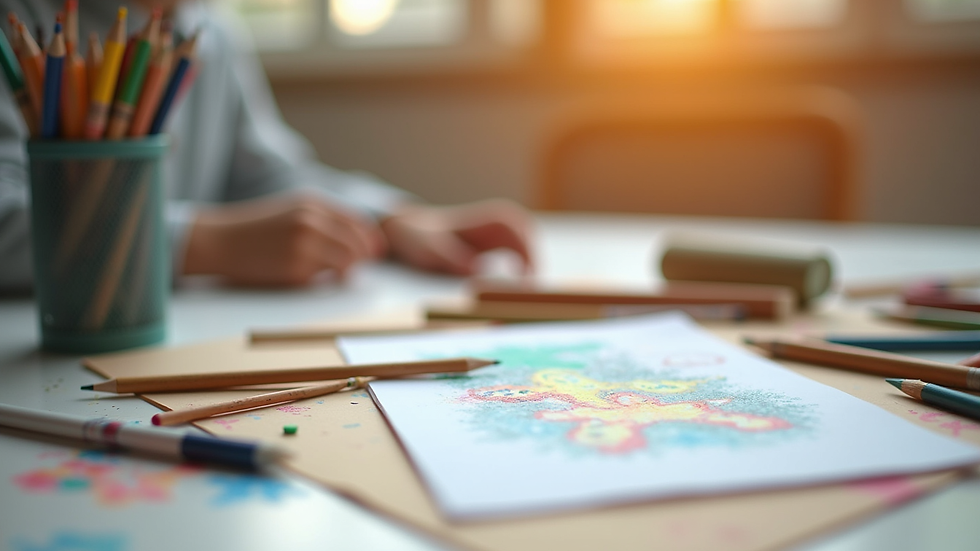
Art Therapy: Encouraging creativity to explore emotions and experiences.
Family Therapy: Involving family members to improve communication and support.
Each technique offers a different path to healing and growth. For example, play therapy is especially helpful for younger children who may struggle to talk about their feelings. It allows them to communicate through play, which feels natural and safe.

How Child Therapy Techniques Support Emotional Growth
Emotional growth is a cornerstone of healthy development. Therapy helps children identify their emotions and understand why they feel a certain way. This awareness is the first step toward managing emotions constructively.
Through therapy, children learn to:
Name their feelings accurately.
Express emotions without fear or shame.
Develop empathy for themselves and others.
Build resilience to bounce back from setbacks.
For instance, a child struggling with anxiety might learn breathing exercises and positive self-talk through CBT. These tools empower the child to face fears calmly and confidently. Over time, this emotional regulation strengthens their overall well-being.
Practical Applications of Child Therapy Techniques
Applying therapy techniques in daily life makes a real difference. I encourage parents and caregivers to support children by:
Creating a Routine: Consistency helps children feel secure and reduces anxiety.
Encouraging Open Communication: Ask gentle questions and listen without judgment.
Using Play and Art at Home: Provide materials for drawing or imaginative play to help children express themselves.
Modeling Healthy Behavior: Show how to handle stress and emotions in positive ways.
These actions reinforce what children learn in therapy. They also build a supportive environment where children feel valued and understood.
The Role of Expert Guidance in Therapy
Professional guidance is essential for effective therapy. A skilled therapist knows how to choose the right techniques and adapt them to each child’s needs. For families on Long Island, working with a trusted specialist like dr justine koo deer park ensures expert care.
Dr. Koo combines thorough evaluations with compassionate therapy to help children, adolescents, and young adults build essential life skills. Her approach focuses on empowering young clients to overcome challenges and grow with confidence.
Building Confidence and Life Skills Through Therapy
Therapy is not just about addressing problems. It is also about nurturing strengths and potential. Children gain confidence as they master new skills and see their progress. This positive growth motivates them to keep moving forward.
Key life skills developed in therapy include:
Problem-solving and decision-making.
Effective communication.
Self-regulation and stress management.
Social interaction and relationship building.
By practicing these skills in therapy sessions and daily life, children become more independent and resilient. They learn to trust themselves and their abilities.
Supporting Growth Beyond Therapy Sessions
Growth continues outside the therapy room. Families and communities play a crucial role in sustaining progress. Here are some ways to support ongoing development:
Celebrate small victories to boost motivation.
Maintain open dialogue about feelings and challenges.
Encourage participation in group activities or hobbies.
Seek additional resources or support when needed.
Together, these efforts create a nurturing environment where children thrive.
Embracing the Journey of Growth
Child therapy techniques offer powerful tools for emotional healing and personal growth. They help children and adolescents build a foundation of strength, confidence, and resilience. With expert support and a caring environment, young people can face life’s challenges with hope and courage.
If you are seeking guidance for a child or young adult, consider reaching out to a trusted specialist. The right therapy can open doors to a brighter future filled with growth and possibility.


Comments